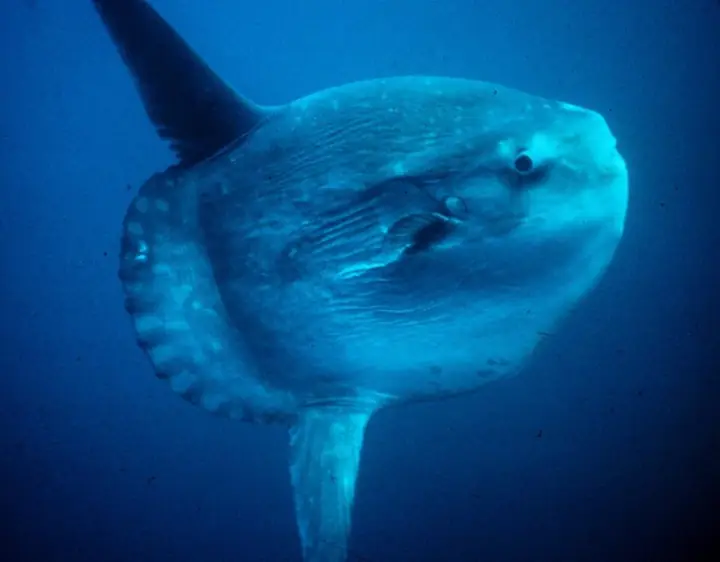
Ocean sunfish
Release and forget
One female ocean sunfish was found carrying an estimated 300 million eggs, more than any other vertebrate known. The parents never meet their young.
Wikipedia ↗On iPhone: tap the Share button, then “Add to Home Screen”.
Strategies of Survival
There is no single right way to pass life on. Some species scatter millions of eggs and leave them to chance; others raise one child for years. Some live for minutes, others for centuries. Each strategy is an answer to the same question your ancestors answered, without fail, for four billion years: how do I make sure life goes on?
In a population that is neither growing nor shrinking, each pair of parents leaves on average just two young that survive to have young of their own. That is true whether a mother lays millions of eggs or raises a single child. Choose how many young a pair produces in a lifetime and see what it means.
young per pair
2 survive to breed
Every one of your ancestors was one of the two.
Scroll from parents who never meet their young to the species that cares for its children longest of all.
Ocean sunfish
One female ocean sunfish was found carrying an estimated 300 million eggs, more than any other vertebrate known. The parents never meet their young.
Wikipedia ↗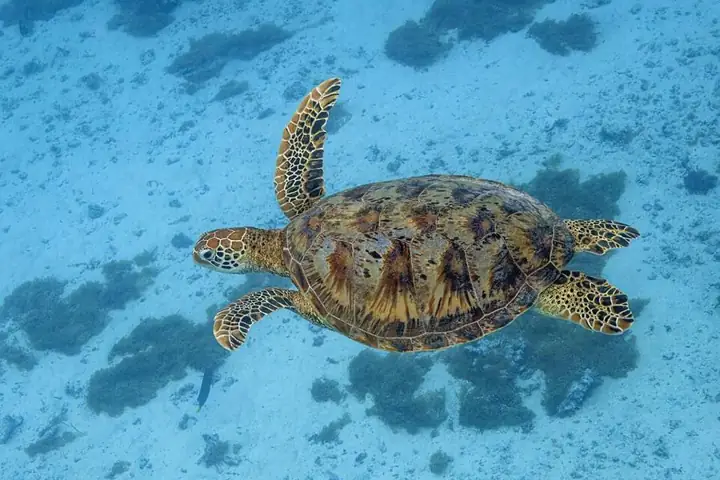
Green sea turtle
A green sea turtle crawls ashore at night, buries about a hundred eggs in the sand and returns to the sea. The hatchlings dig themselves out and race for the water alone.
Wikipedia ↗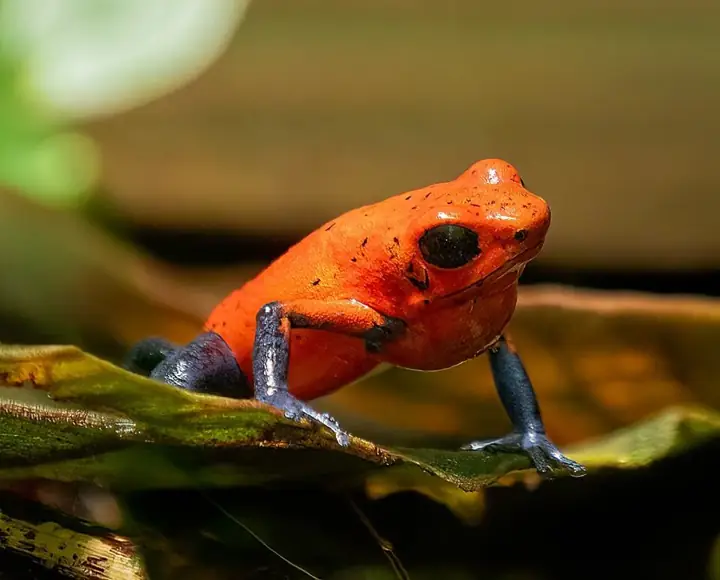
Strawberry poison frog
The mother carries each tadpole on her back to its own tiny pool of water inside a plant, then returns again and again to lay unfertilised eggs for it to eat.
Wikipedia ↗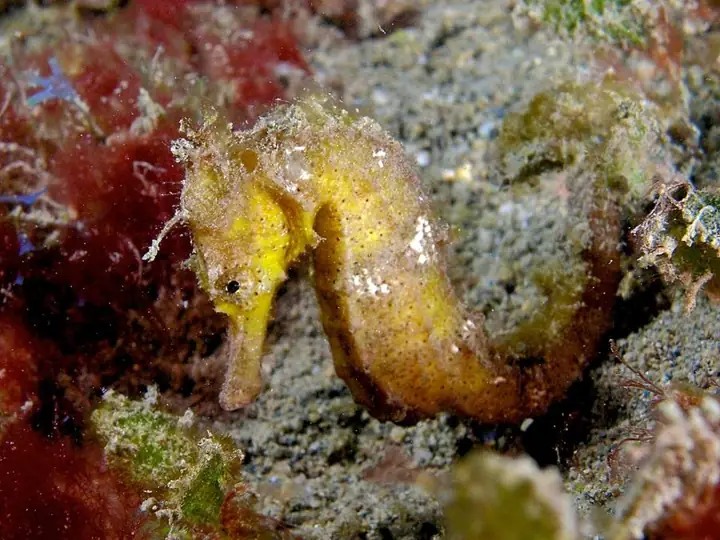
Seahorse
The female places her eggs in a pouch on the male’s belly. He fertilises them and carries them until he gives birth to live young.
Wikipedia ↗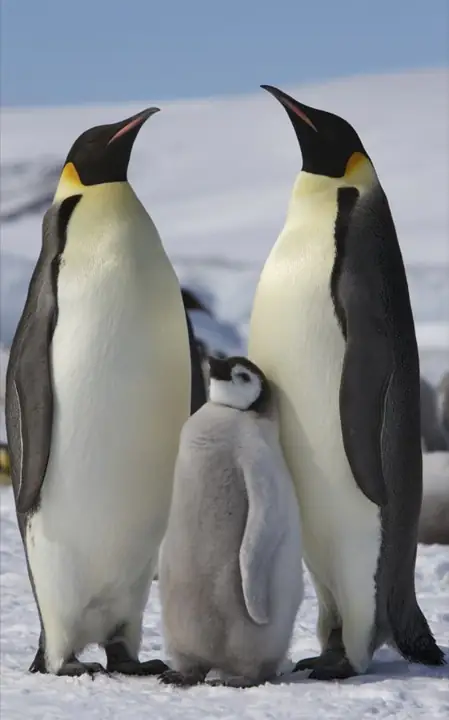
Emperor penguin
Through the Antarctic winter, emperor penguin fathers balance the single egg on their feet for about two months without eating, while the mothers feed at sea.
Wikipedia ↗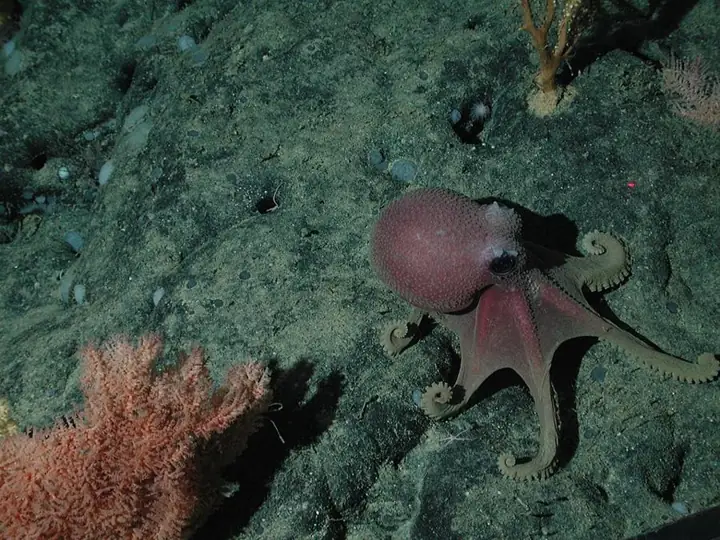
Deep-sea octopus
In Monterey Canyon, one octopus mother guarded her eggs for 53 months without leaving them: the longest brooding period known for any animal. Octopus mothers usually die once their eggs hatch.
Robison et al. 2014, PLOS ONE ↗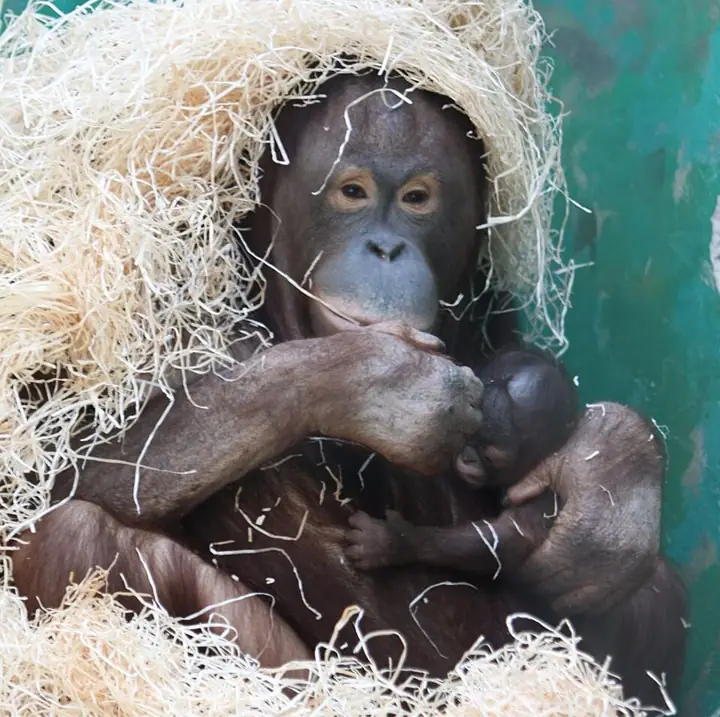
Orangutan
Wild orangutan mothers give birth only about once every seven and a half years, the longest average gap between births of any mammal, and their young survive unusually well.
van Noordwijk et al. 2018, J. Hum. Evol. ↗Humans
Human children depend on adults longer than the young of any other animal, and mothers have rarely raised them alone. Fathers, grandmothers, siblings and others help, which is why scientists call us cooperative breeders.
Wikipedia ↗Living long and breeding quickly compete for the same energy. Mice breed within weeks and die young; bowhead whales breed slowly for centuries. Natural selection tunes the balance to each species’ dangers: when death is likely to come soon, it pays to reproduce early.
Maximum known lifespan (log scale)
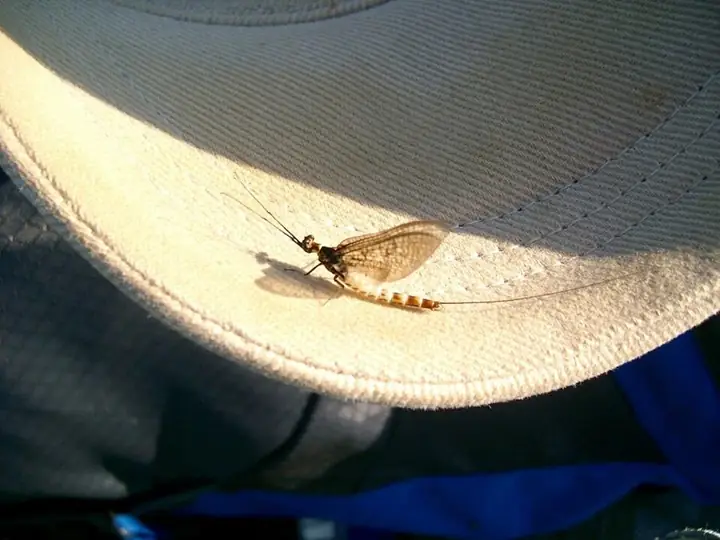 Mayfly (adult female, Dolania)under 5 minutes ↗
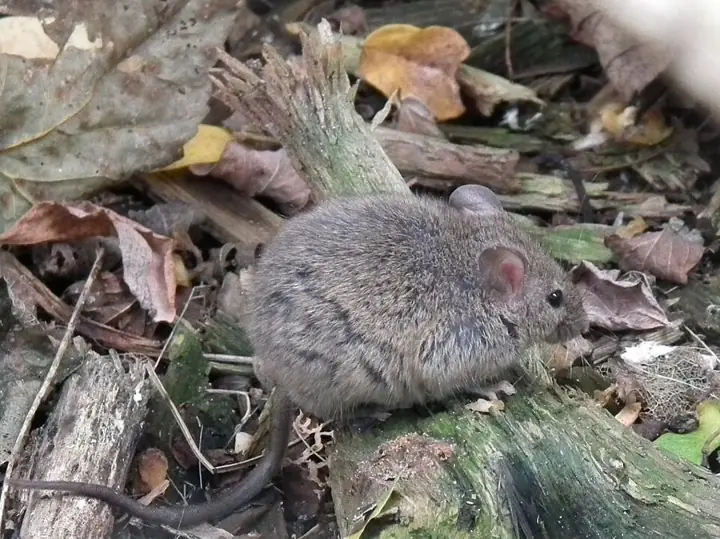 House mouse1–3 years ↗
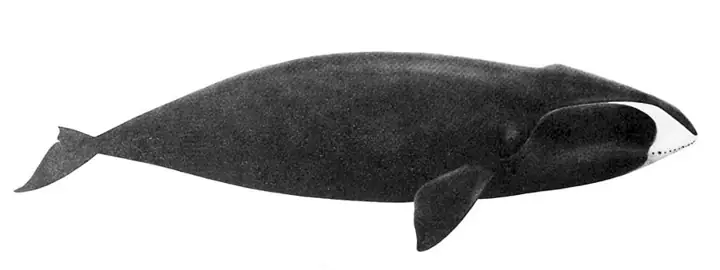 Bowhead whaleabout 211 years (est. 177–245) ↗
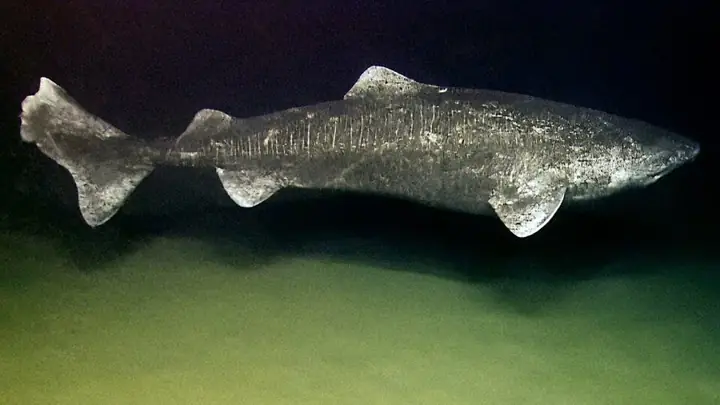 Greenland sharkat least 272, probably about 400 years ↗
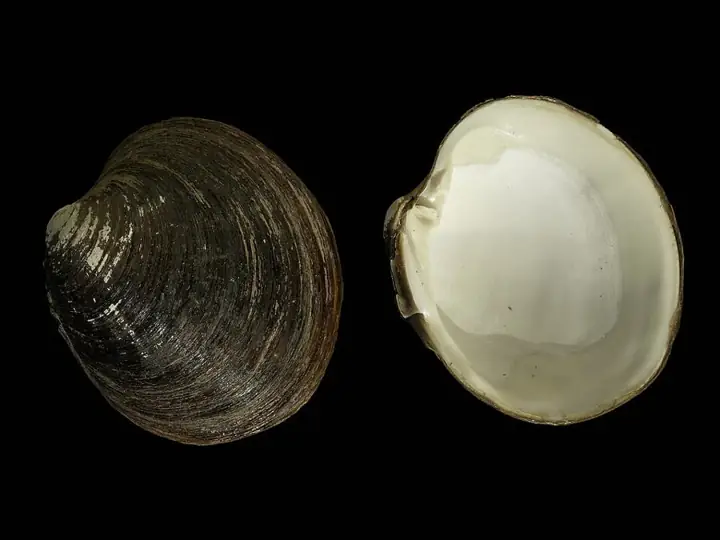 Ocean quahog “Ming”507 years ↗
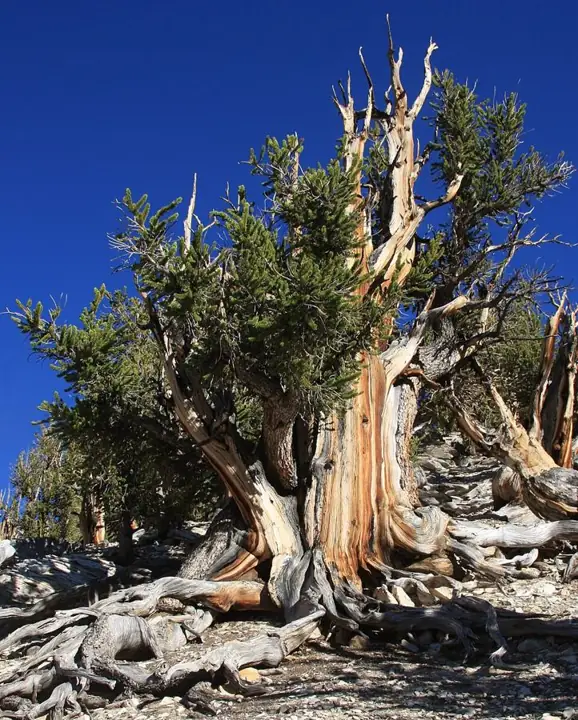 Bristlecone pine “Methuselah”more than 4,800 years ↗
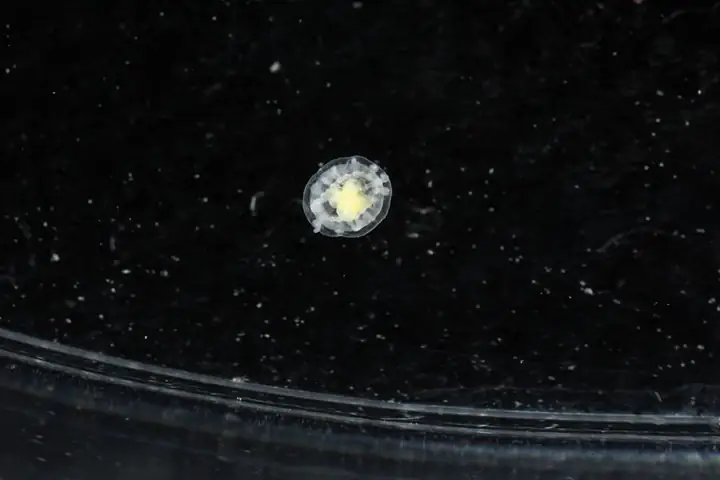 “Immortal” jellyfishcan turn back into a young polyp ↗
The record human is Jeanne Calment, who died in 1997 at 122. The jellyfish Turritopsis dohrnii can transform back into its juvenile polyp stage after injury or stress, starting its life cycle again.
Why would a worker bee never reproduce, or a meerkat stand guard while others eat? In 1964, W. D. Hamilton showed that helping relatives can also pass on your genes, because relatives share them. His rule: helping is favoured by evolution when r × B > C.
The biologist J. B. S. Haldane is said to have joked that he would lay down his life for two brothers or eight cousins.
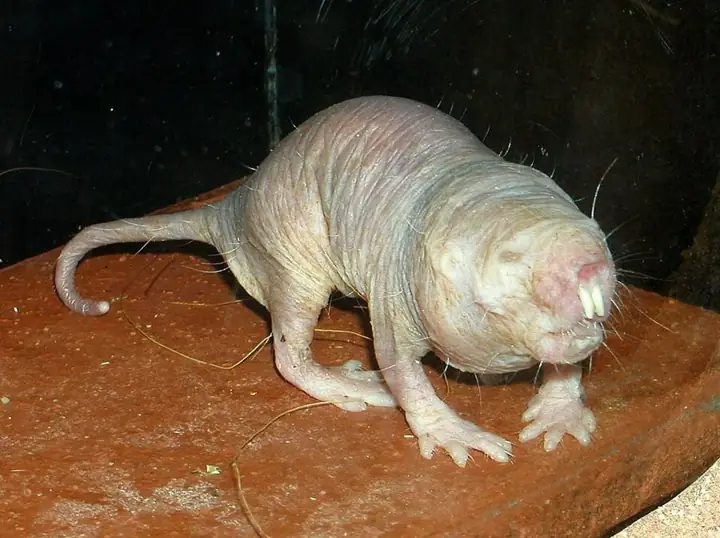
In each underground colony, only one queen and a few males breed. Dozens of relatives dig tunnels, find food and defend the nest, a social life more like bees than mammals.
Jarvis 1981, Science ↗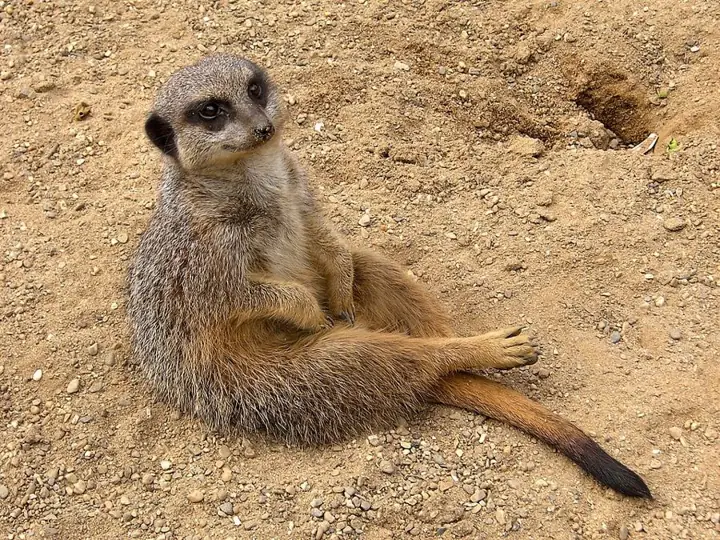
Meerkat helpers teach pups to hunt scorpions: first they bring dead ones, then live scorpions with the sting removed, then intact prey as the pups learn.
Thornton & McAuliffe 2006, Science ↗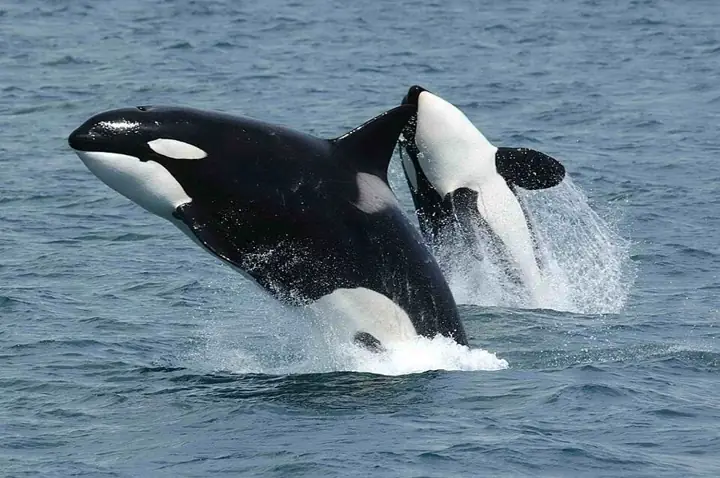
Why do women live for decades after they stop having children? The grandmother hypothesis suggests that grandmothers who help feed their grandchildren helped their families’ genes spread.
Hawkes et al. 1998, PNAS ↗Sources:Hamilton 1964, J. Theor. Biol. ↗Kin selection ↗Grandmother hypothesis ↗
Cloning yourself looks more efficient: every offspring carries all of your genes, and you need no partner. Yet almost all animals and plants reproduce sexually, at least some of the time. A leading explanation: shuffling genes every generation helps offspring stay ahead of parasites and diseases that are constantly evolving to attack them. Biologists call this race the Red Queen, after the character in Through the Looking-Glass who has to keep running just to stay in place.
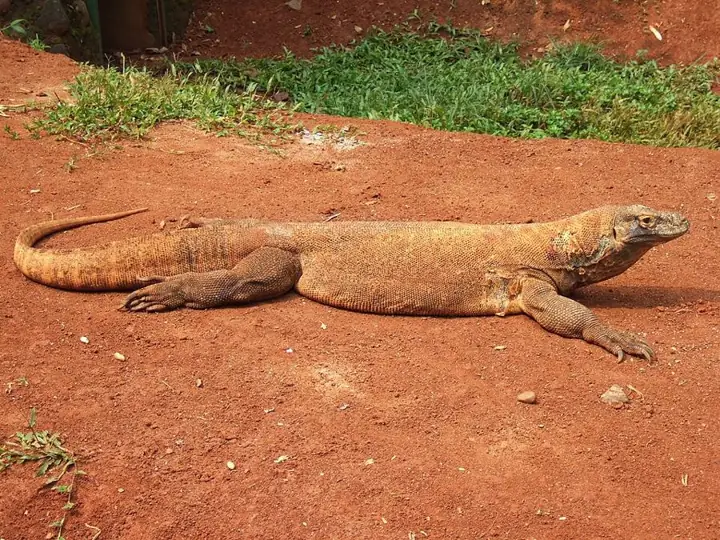
In two British zoos, female Komodo dragons kept away from males laid eggs that hatched: virgin births. It is a rare emergency strategy, not their usual way.
Watts et al. 2006, Nature ↗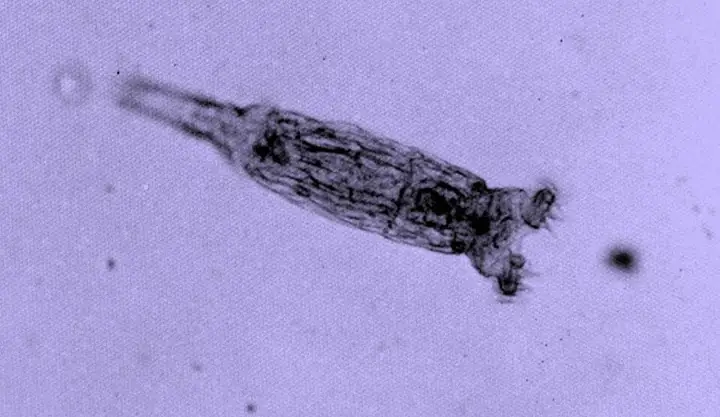
No male of these tiny freshwater animals has ever been found. Their genomes suggest they have reproduced without sex for tens of millions of years, one of biology’s great puzzles.
Mark Welch & Meselson 2000, Science ↗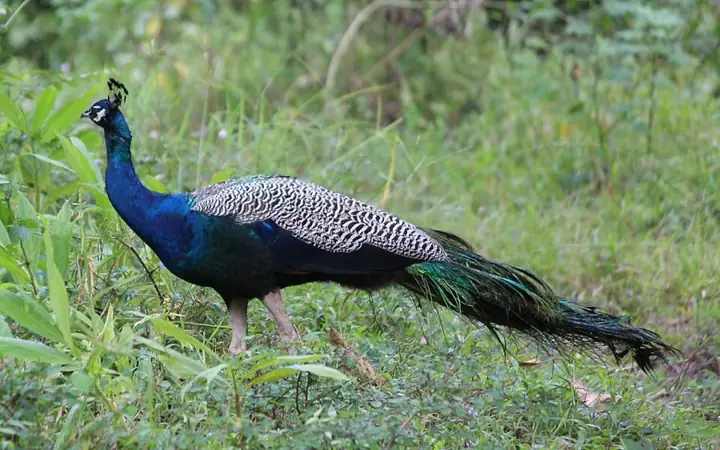
Sex also adds a second kind of selection: choosing a mate. Darwin proposed that peahens prefer males with splendid trains, so the trains grew grander generation after generation, even though they make males easier for predators to catch.
Wikipedia ↗Sources:Red Queen hypothesis ↗Evolution of sexual reproduction ↗Life history theory ↗
Hi, I’m Luca. I’m named after LUCA, the population of single cells from which all life today descends. Pick a question about this page.
In a population that is neither growing nor shrinking, each pair of parents leaves on average just two young that survive to breed. That is true whether a mother lays millions of eggs or raises one child. Every one of your ancestors was one of those two.
Show me ↓Neither is better. Some species scatter millions of eggs and leave them to chance; others raise one child for years, and most sit somewhere in between. Humans are at the far end: few children, very long childhoods and help from the whole family.
Show me ↓One idea, the grandmother hypothesis, is that grandmothers who helped feed their grandchildren helped their families’ genes spread. It is a hypothesis, not a settled answer: some studies support it, others question it.
Show me ↓A leading explanation is that shuffling genes every generation helps offspring stay ahead of parasites and diseases that keep evolving. Bdelloid rotifers seem to have managed without sex for tens of millions of years, which is still one of biology’s great puzzles.
Show me ↓Short answers based on the text of this page and its sources.
fromLUCA LUCA is the last universal common ancestor: the population of single cells from which all life on Earth today descends. It lived roughly four billion years ago; estimates differ.
Privacy notice