On iPhone: tap the Share button, then “Add to Home Screen”.
Four billion years. Zero exceptions.
You are the newest link in a chain that has never broken.
Not one of your ancestors, across roughly four billion years, died before passing life on. Every cell, every fish, every small furry mammal hiding from dinosaurs, every human in your line survived long enough to hand life forward. Otherwise, you would not be here.
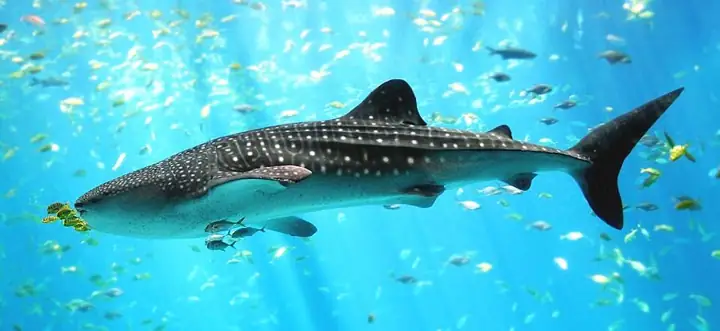
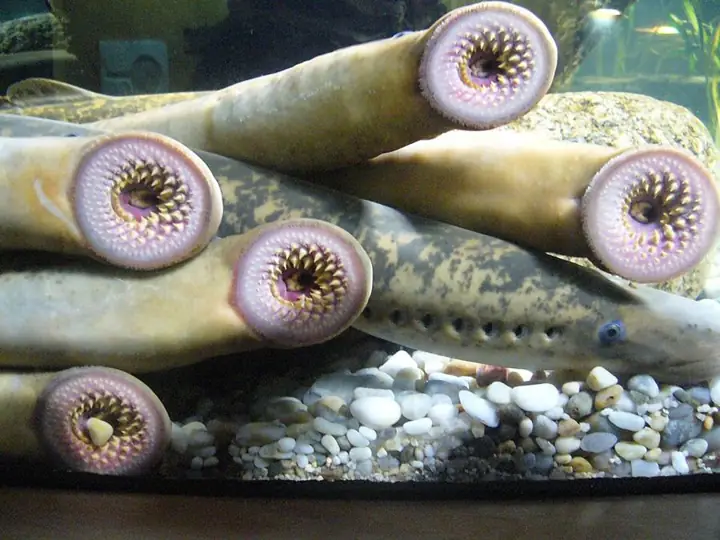
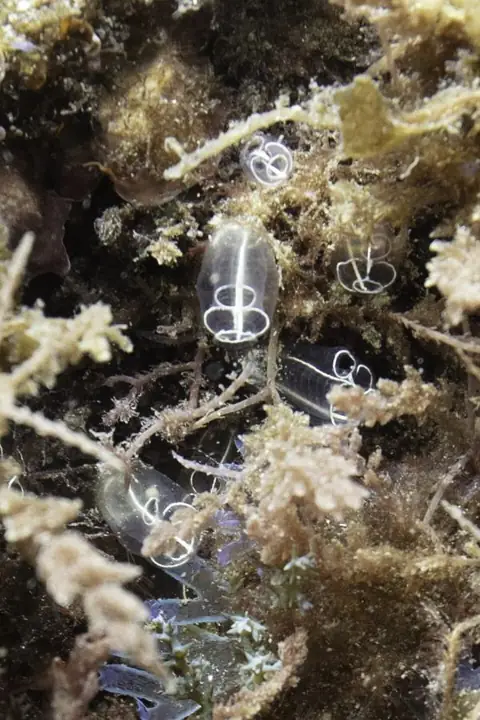
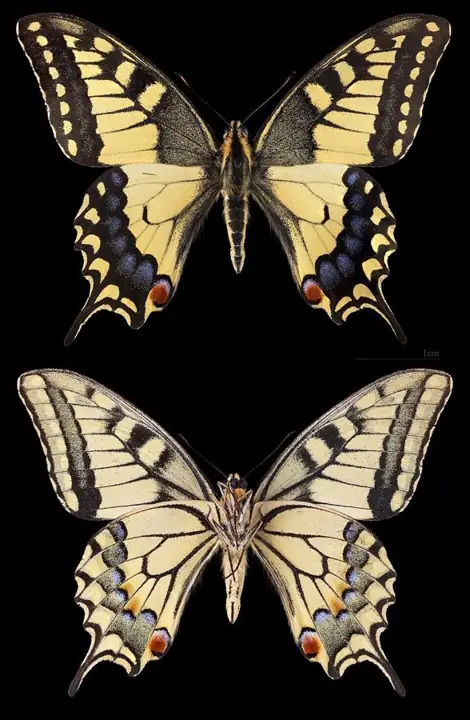
Scroll down to travel backwards along your own lineage. At each stop, another branch of life joins yours: the moment you and its members shared a single ancestor.
Your DNA is a combination that has never existed before and will never exist again: half from each parent, reshuffled. But every piece of it was handed down, unbroken, from the beginning of life.
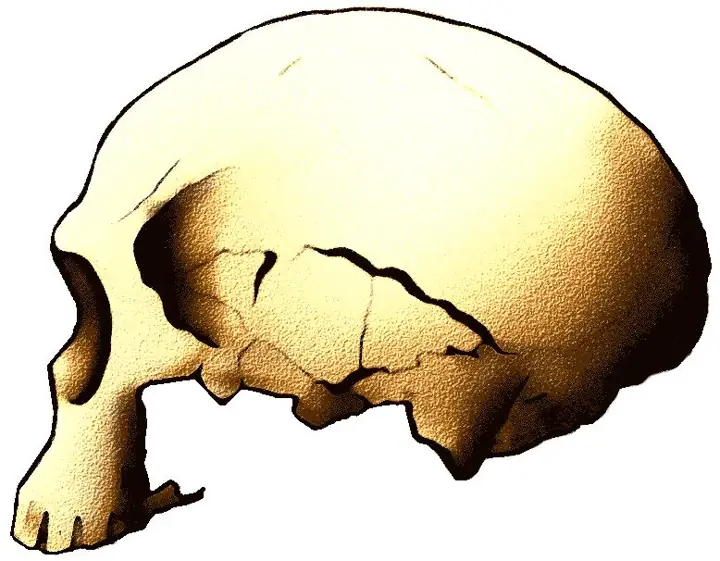
The oldest known fossils of our species, from Jebel Irhoud in Morocco, are about 300,000 years old. That is roughly 12,000 generations of parents and children, every one of whom made it.
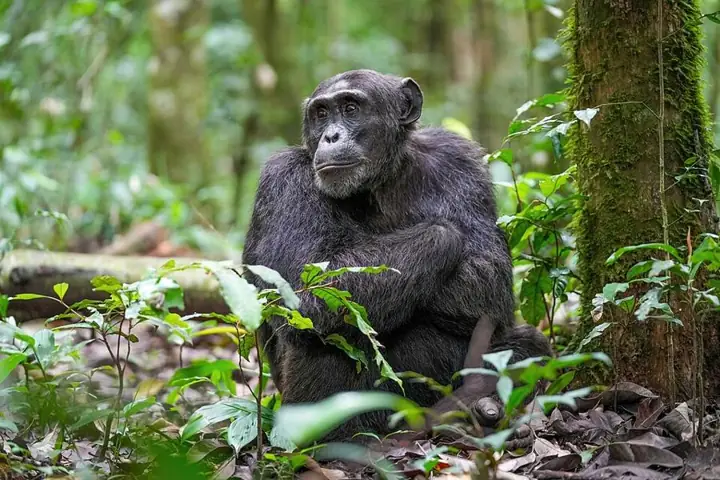
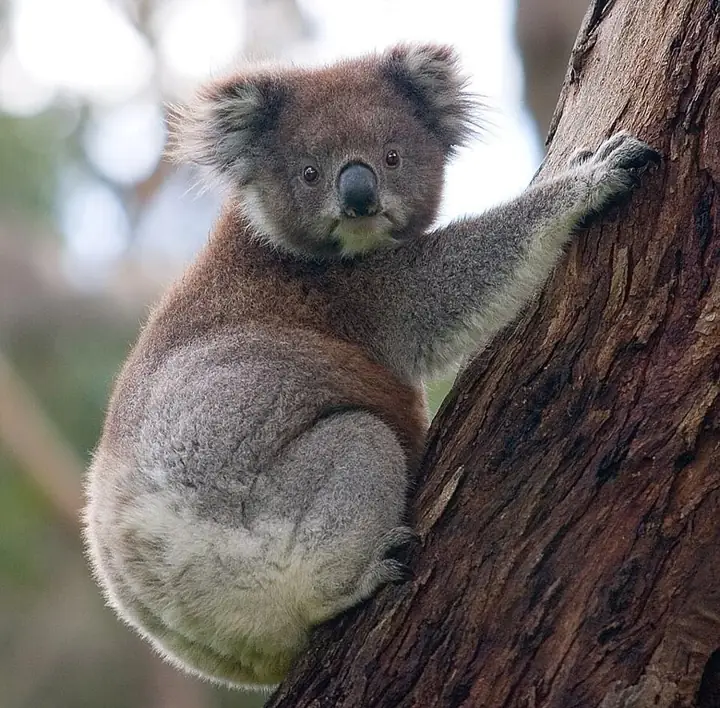
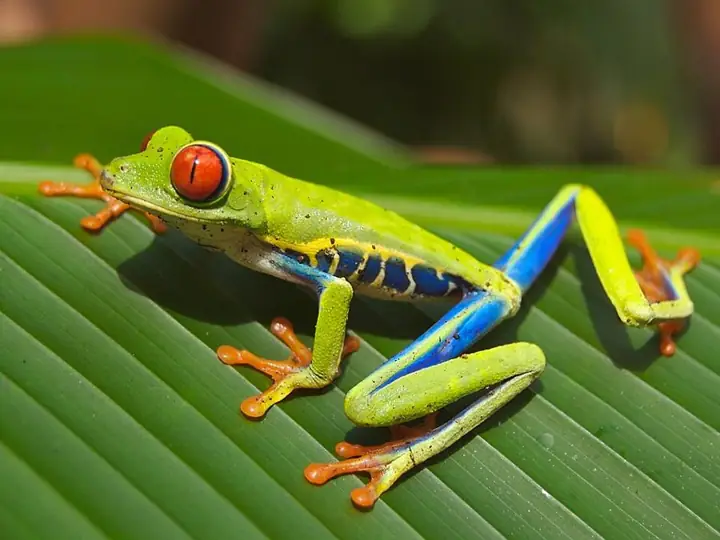
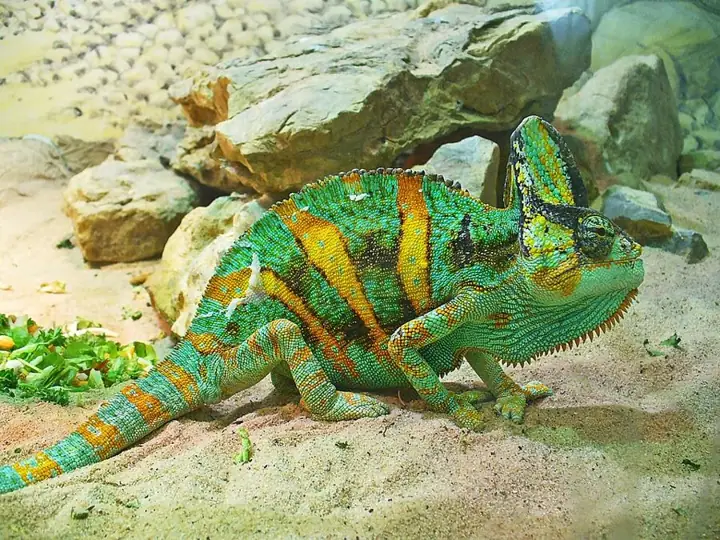
Your shared ancestor laid eggs with protective membranes, the amniotic egg. It freed reproduction from water and let your ancestors conquer dry land. Birds are living dinosaurs.
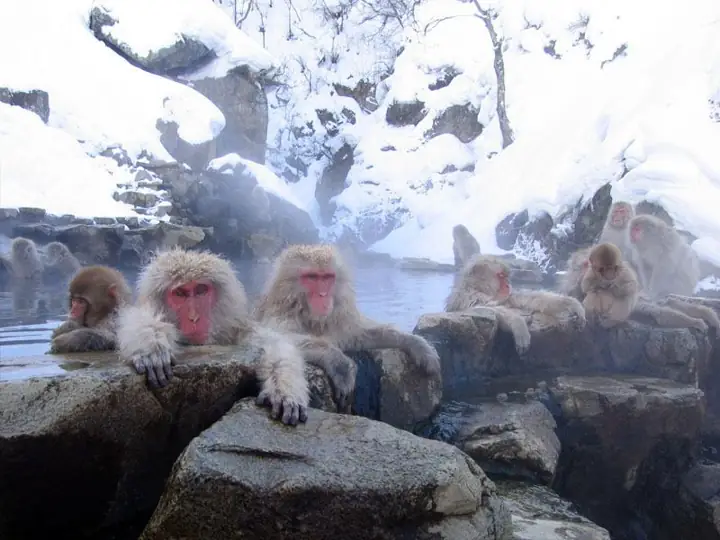
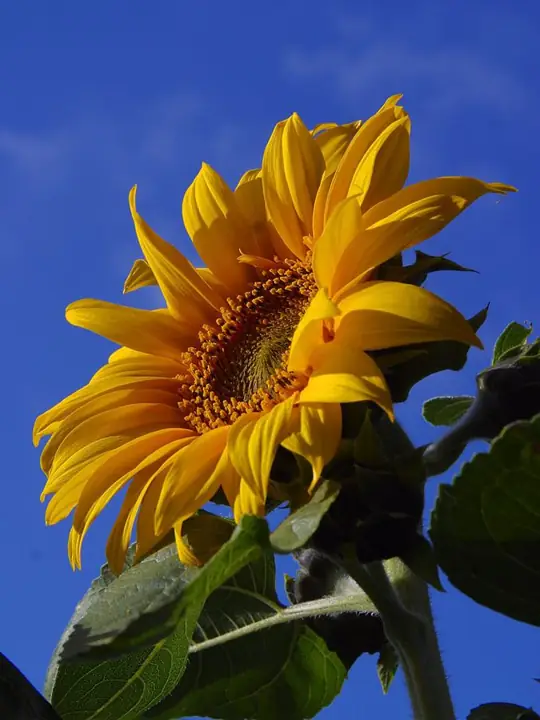
You and every plant are built from complex cells with a nucleus. Inside them are mitochondria, descendants of bacteria taken in by an ancient ancestor.
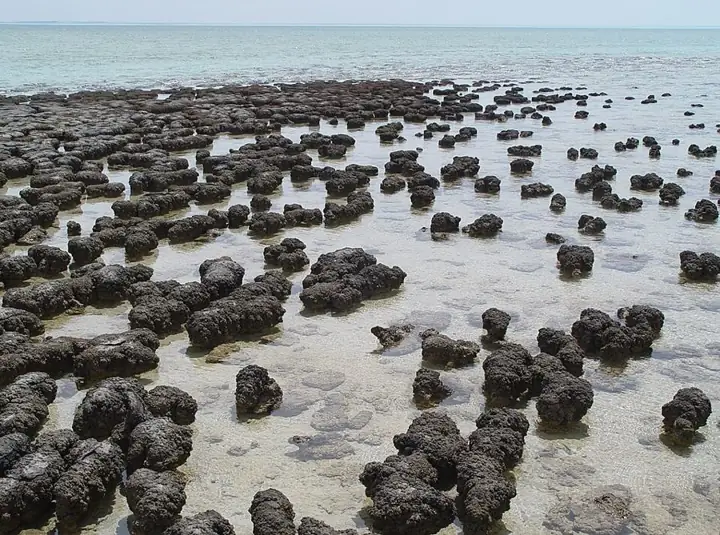
Every living thing on Earth, including bacteria, oak trees, whales and you, descends from this population of cells. They stored their instructions in DNA, written in the same genetic code your cells use today.
Think about the odds. Every ancestor in that journey faced predators, famine, disease, cold and accident. Countless others of their kind died young. Yours did not, at least not before passing life on.
This is what scientists mean by natural selection. "Fittest" does not mean strongest. It means best at surviving and reproducing in a given environment. Evolution does not climb toward perfection. It keeps whatever works, here and now, and passes it on.
You have 2 parents, 4 grandparents, 8 great-grandparents. Each generation back, the number doubles. Slide back in time.
1,024ancestor slots
ancestor slots
people alive on Earth then (estimate)
Genealogical models suggest that if you go back only a few thousand years, everyone alive today has exactly the same set of ancestors. Everyone who lived then either has no living descendants or is an ancestor of all of us.
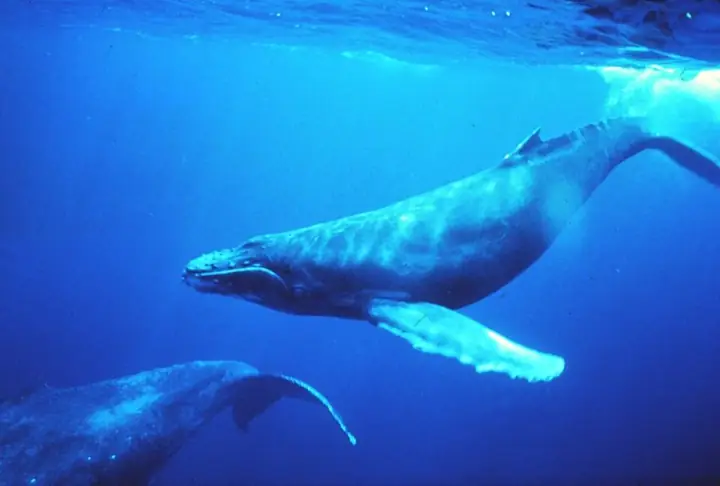
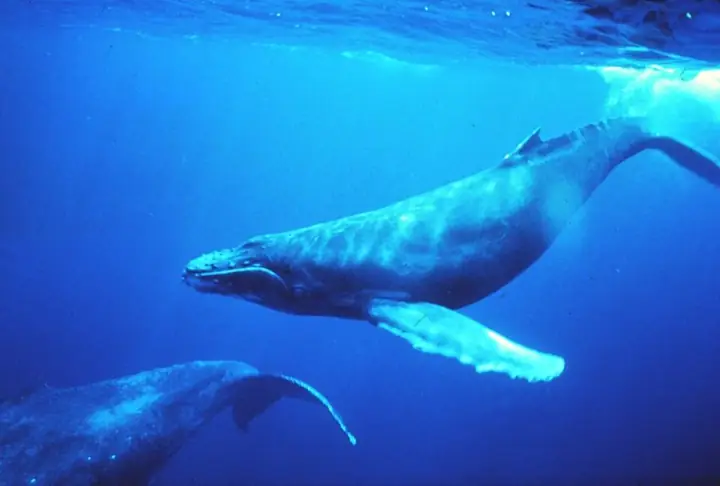
Male humpbacks sing long, structured songs. Researchers followed new songs spreading eastward across the South Pacific, from one population to the next, like hit songs, over about a decade.
Our species appears about six seconds before midnight.
Ask Luca
Hi, I’m Luca. I’m named after LUCA, the population of single cells from which all life today descends. Pick a question about this page.
What does “the unbroken chain” mean?
Every one of your ancestors, back to LUCA about four billion years ago, lived long enough to pass life on. If a single link had broken, you would not exist. This page walks that chain from you back to LUCA.
Going back, the number of ancestor slots doubles each generation, and soon it is larger than the number of people alive at the time. That works only because family trees overlap: the same people fill many slots. Try the counter.
LUCA, the last universal common ancestor, was a population of single cells. A 2024 study puts it about 4.2 billion years ago; estimates differ. All life today descends from it. It was not the first life, only the latest ancestor that all living cells share.
Show me ↓Why squeeze the history of life into one day?
Billions of years are hard to picture. On the clock, about 4.2 billion years of life fit into 24 hours, and our species appears only about six seconds before midnight.
Everything above is science. This section is different: it states the values behind this project, openly, so you can tell the two apart.
The chain continues through you
Science tells us how we got here. What we do with that knowledge is a question of meaning. Our answer: reproduction is not something shameful or sinful. It is the oldest sacred act there is, the way life has carried itself across four billion years to reach you.
To pass life on is to take your place in that chain with gratitude and responsibility: for the ancestors who made you possible, and for the descendants who will carry something of you forward.
Not everyone will have children, and the chain needs more than births. Biology itself shows this. Aunts, uncles and grandparents who help raise children help their family’s genes travel on. Every person who raises, teaches, protects or cares for the next generation is a guardian of the chain.
And because every human alive shares ancestors only a few thousand years back, the chain is not yours alone. It is all of ours.
I died as a mineral and became a plant; I died as a plant and rose as an animal. I died as an animal and became human. Why then should I fear? When did dying ever make me less?
Rumi, Masnavi, 13th century. Rumi was writing about the journey of the soul, not about biology. But for many readers, his image of life rising step by step, from mineral to plant to animal to human, echoes the story told on this site.
Explore further
Tree of Life
Who is closer to whom? Play a quick game, then compare any two living things.
fromLUCALUCA is the last universal common ancestor: the population of single cells from which all life on Earth today descends. It lived roughly four billion years ago; estimates differ. Privacy notice