Splicing
One gene, several proteins
A cell can cut and join the same gene in different ways, so one gene can make several different proteins. The cell decides which one, not only the DNA.
On iPhone: tap the Share button, then “Add to Home Screen”.
Not just genes. A living cell.
Your ancestors did not pass on only their genes. Each of them gave life to the next generation by giving a living cell of themselves. For roughly four billion years, perhaps a little less, life has travelled this way, from one living cell to the next, until it reached you.
Four frames
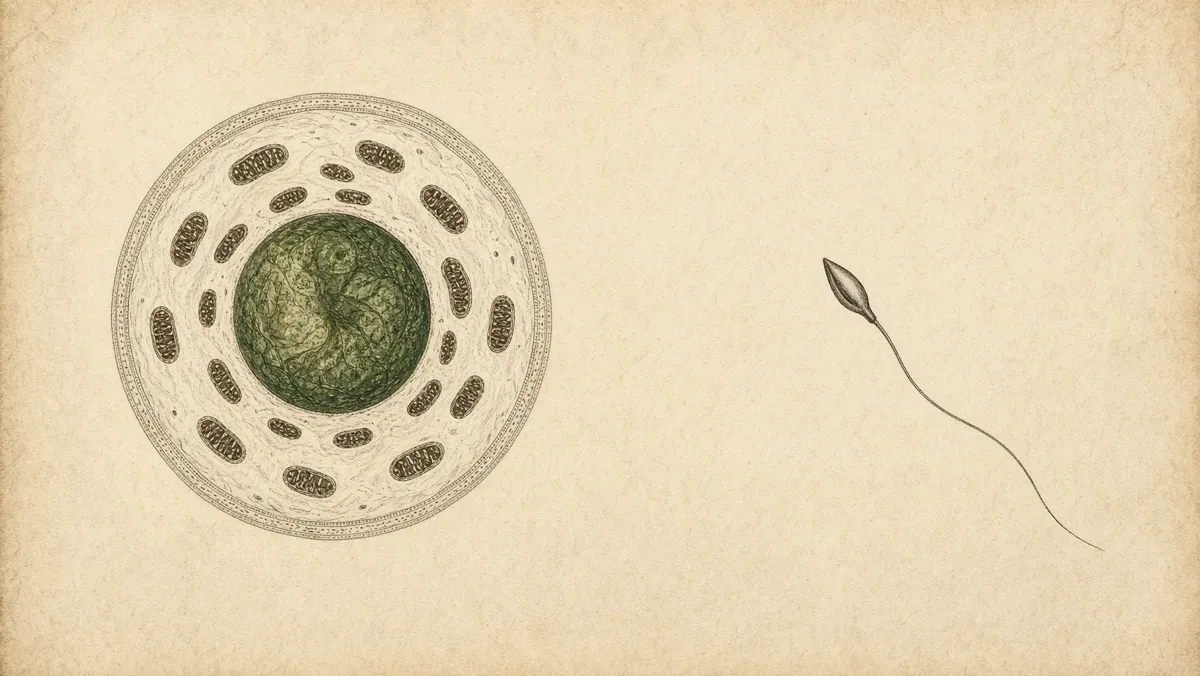
Every link is a cell
Each of your ancestors gave life to the next generation by giving a living cell of themselves.
Illustration generated with AI. Schematic, not a scientific record.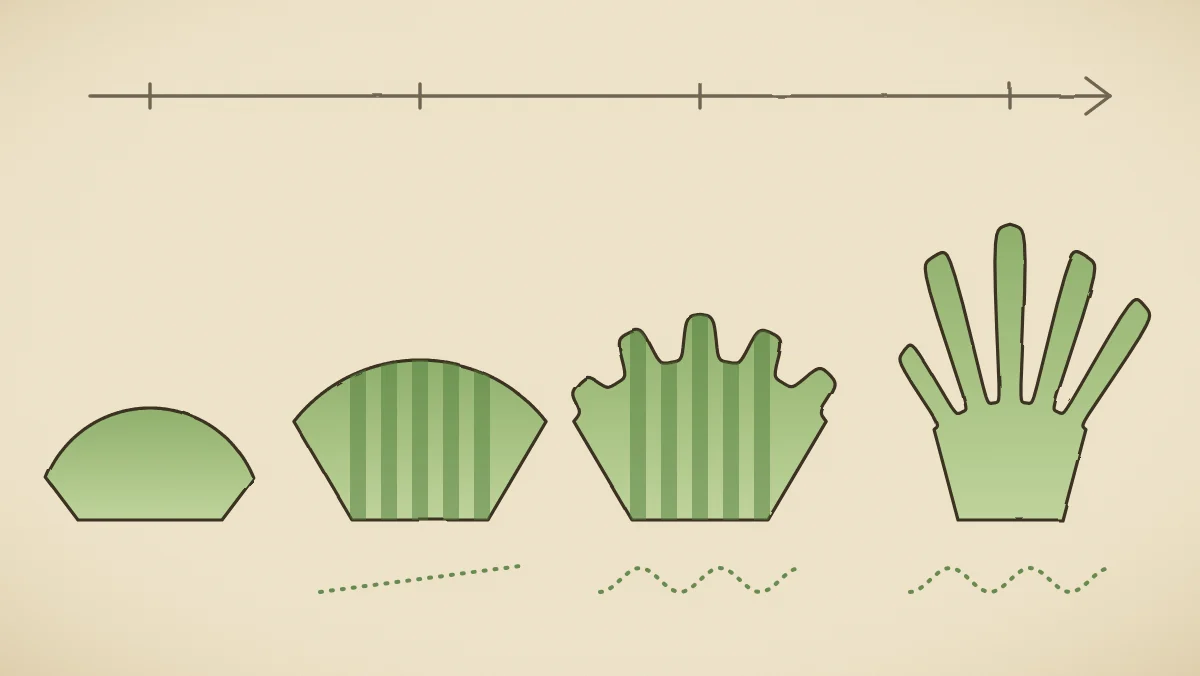
A body grows step by step
Nobody stored a picture of five fingers. They take shape while the hand grows.
Schematic drawing of the stages of a growing hand (not to scale).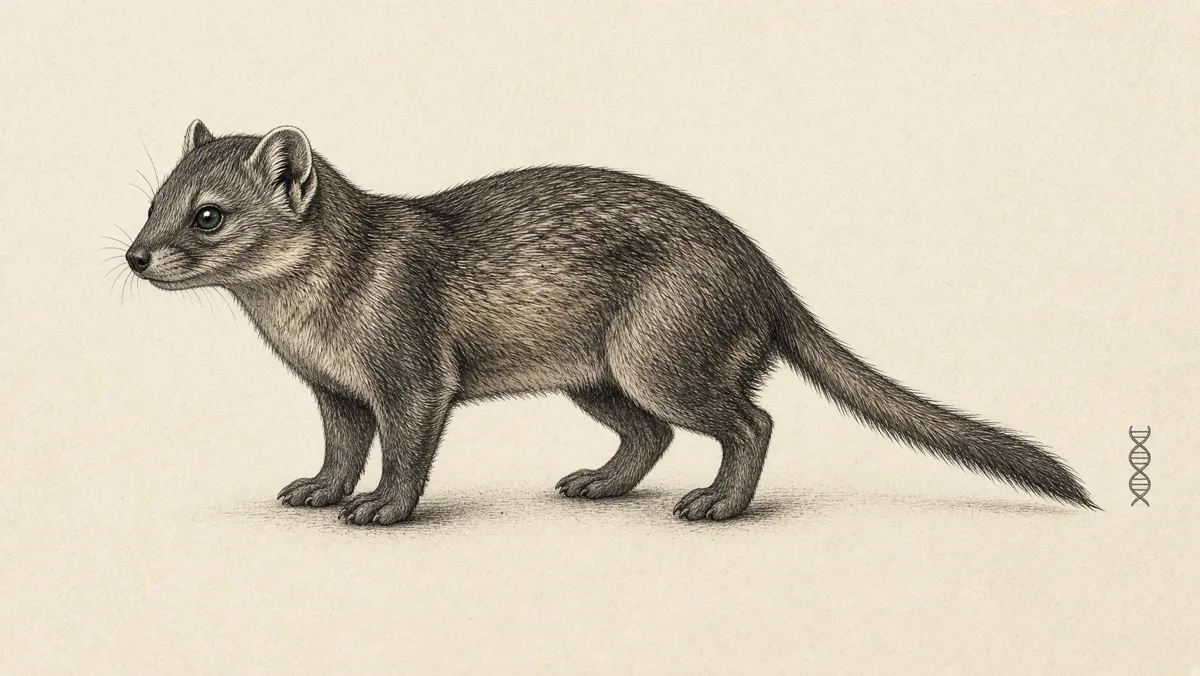
Selection sees whole living things
What survives or dies is a whole living thing, not a single gene.
Illustration generated with AI. Schematic, not a scientific record.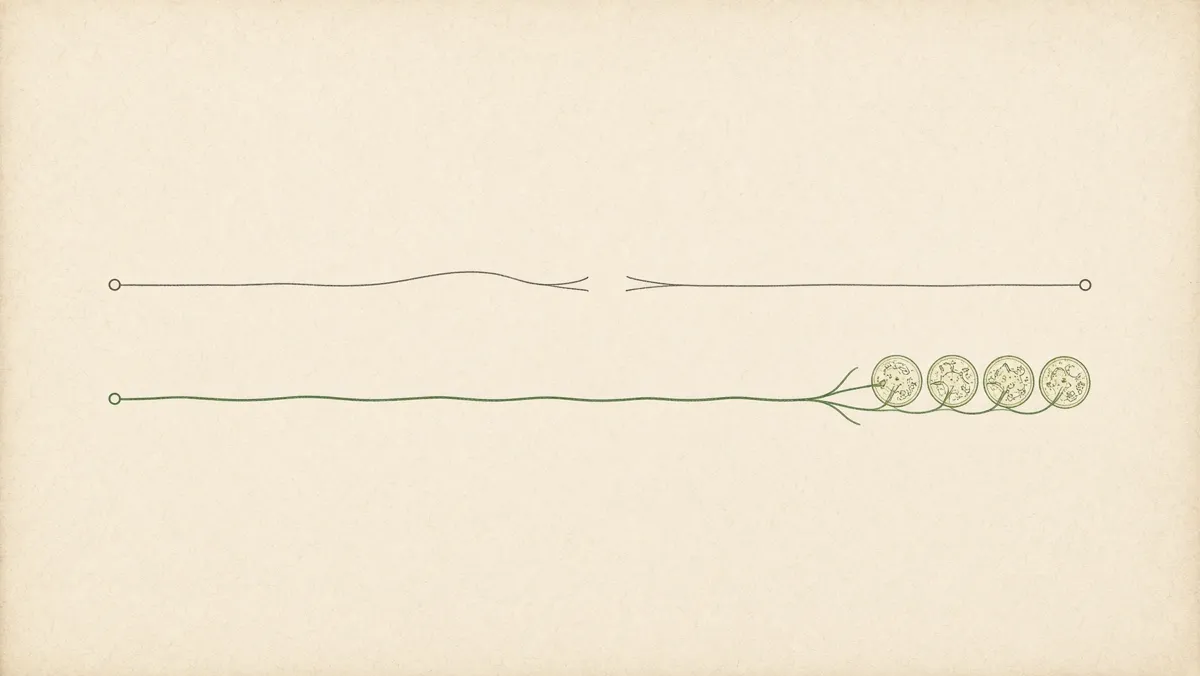
One break is not the end
There is usually a spare route. The chain breaks only when every route is closed.
Illustration generated with AI. Schematic, not a scientific record.Genes matter a great deal. This page follows one side of a scientific debate; “a box of parts” is only a comparison. The details and the limits are in the full version.
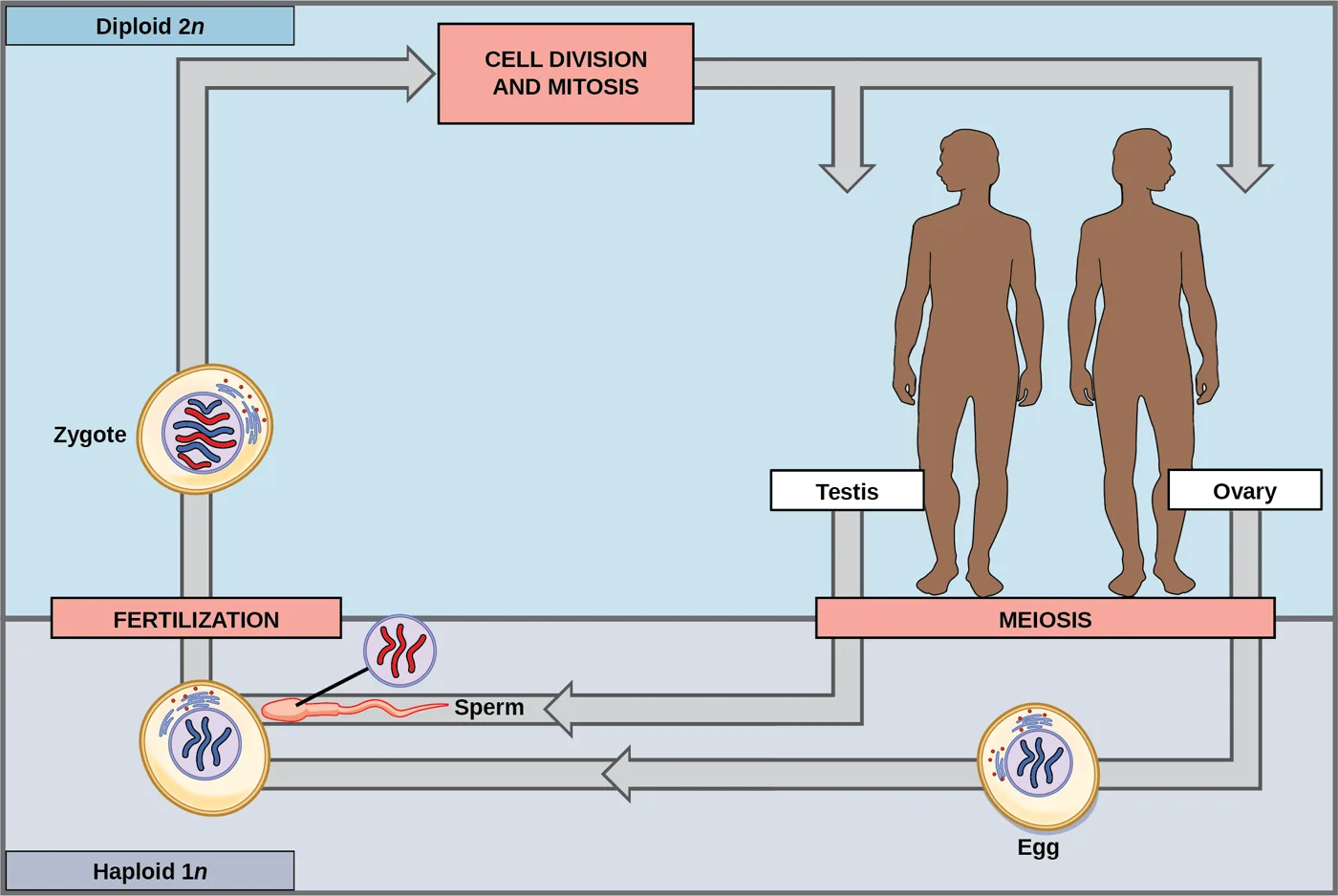
A family tree usually follows genes: half from your mother, half from your father. Switch the view to see what else came with the egg.
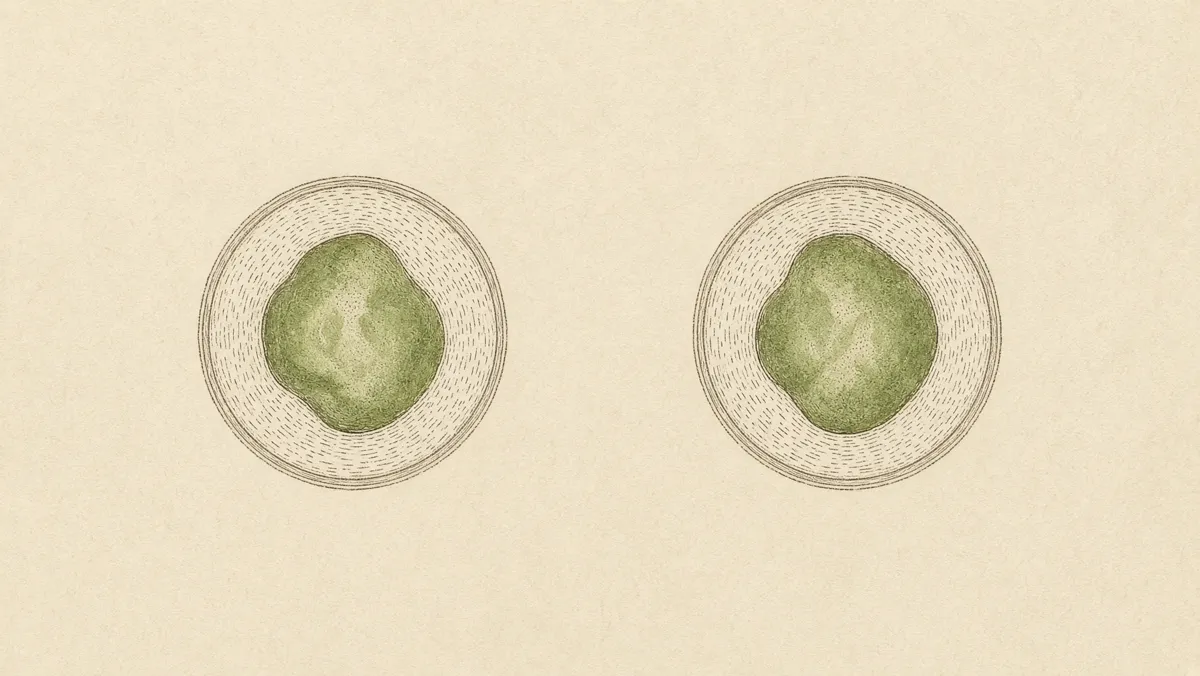 Illustration generated with AI. Schematic, not a scientific record.
If you count only genes, the two parents look equal: each gives half of the DNA in the nucleus. That is true, but it is not the whole story.
Illustration generated with AI. Schematic, not a scientific record.A child does not start as a bare list of genes. It starts as an egg cell that is already alive, with all its own parts, including its mitochondria. The sperm adds little besides its DNA (and a small structure that helps the first cell divisions).
People often say DNA is like a blueprint. It is closer to a box of parts. The cell uses the parts to build itself, and the result depends on what happens along the way. Three examples.
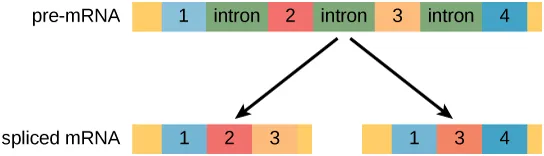
Splicing
A cell can cut and join the same gene in different ways, so one gene can make several different proteins. The cell decides which one, not only the DNA.
Pattern
There is no gene that says “five”. While the hand grows, chemical signals, made by many genes working together, spread through it and help set where each finger forms. Change a signal, and the number of fingers can change.
Chance
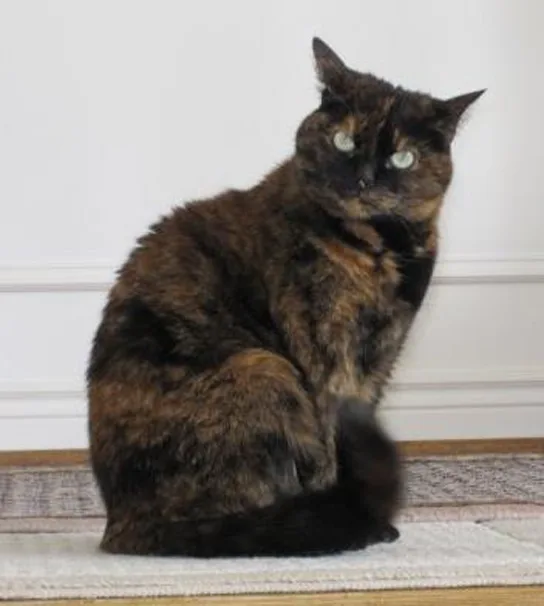
A tortoiseshell cat has orange and black patches. Early in the embryo, each cell picks one of its two X chromosomes at random and switches it off, and all its descendants keep that choice. The patches are a map of that chance.
At school a gene often comes with a trait: a gene for a blood group, a gene for a disease. A few traits do work almost like that, for example Huntington’s disease and cystic fibrosis. Most common traits, such as height, depend on thousands of small gene differences and on the environment. Five examples show how much lies between a gene and a trait.
A network
Blood clots when more than a dozen proteins act one after another, and each is made under the control of at least one gene. Losing one of them can matter a lot, a little, or not at all: without factor VIII the result is hemophilia A, while without factor XII there is usually no bleeding problem.
Modifiers
Sickle cell disease comes from one change in the gene for beta-globin, a part of hemoglobin. People who inherit it from both parents can still be very differently ill, because other genes, for example those that keep fetal hemoglobin switched on, soften it. Infections and the care a person receives matter too.
Dose
In Down syndrome there is a third copy of chromosome 21. No new gene appears. Genes that normally come in two copies come in three, and that is enough to change how a body develops. How much of a gene is made matters, not only whether it is there. Which of the roughly 200 genes on chromosome 21 cause which features is still being worked out.
Beyond proteins
The gene XIST sits on the X chromosome. It makes an RNA, not a protein, that coats one X chromosome and largely switches it off. That switch, together with two different colour variants on the cat’s two X chromosomes, makes the patches of a tortoiseshell cat. Only about 1 to 2 percent of the human genome is the part that codes for proteins. Biologists still argue about how much of the rest does a job, but some of it clearly does.
A genome is not a cell
Dolly the sheep was born in 1996. She was cloned by fusing an adult cell with an egg cell whose own nucleus had been removed. It worked in only a very small fraction of attempts. The DNA alone was not enough: the egg brought the living machinery that started development.
Grades used for hemophilia A. About 50 to 150 percent is typical. The same missing protein gives a spectrum, not an on-off switch.
Ask “which genes, how much of each, and in which cell?” rather than “which gene?” A “gene for X” is shorthand for “a difference at this spot changes X under usual conditions”, and gene-centred biologists, Dawkins included, mean it that way too.
If a condition runs in your family, a genetic counsellor can tell you what applies to you.
Now back to the chain.
Natural selection never saw a gene. It saw your ancestors, and each of them was a whole living thing that worked.
What survives, or does not, is a whole living thing. A gene matters only through the body it helps to build.
Nobody is picking winners in advance. Lines whose bodies worked well enough carry on, and others stop, partly by chance. You belong to a line that never stopped.
Mutations, small changes in DNA, happen all the time. Many do no harm, and a body can often be made in more than one way. Some mutations do end a line, and selection removes them. Yours is a line that kept going.
Switch genes off. Route 1 needs gene A and gene B together. Route 2 needs only gene C. The link holds as long as one route is still open. This is a toy model, not a real pathway.
Routes still open · 2
The link holds.
One broken gene is nothing unusual: every person carries around a hundred broken genes. A spare route or a second working copy means many single failures do not end a lineage.
Genes matter a great deal. This chapter only says that genes are not a full plan for the body. Here is what we are sure of, and six things we are not saying.
That genes do not matter.
They do. The point is only that DNA is not a complete drawing of the body. The cell, and what happens while it grows, count too.
That mothers matter more than fathers.
Each parent gives half of the DNA in the nucleus. The egg also brings the cell’s own machinery, but that is a fact about cells, not about who matters more.
That “a box of parts” is the whole truth.
It is only a comparison. DNA also holds the instructions for making proteins and for switching genes on and off. It is more than a passive box.
That hardship is passed down as a memory.
People who were in the womb during the Dutch famine of 1944–45 carry small chemical marks on their DNA, mostly if the famine hit around the time of conception. But most such marks are erased when egg and sperm are made. Studies of the grandchildren show small, inconsistent effects, and nobody has shown that a mark on the DNA is what carries them.
That the gene-centred view is useless.
For some questions about evolution it is still the right tool. It just does not show how a body is made.
That the debate is over.
Biologists still disagree about how much each part matters. This page follows one side, the one in Philip Ball’s book. The best-known case for the gene-centred side is in the book by Richard Dawkins, listed below. He too says DNA is a recipe, not a blueprint; the argument is about which level explains most.
Three books and a free textbook.
You are the newest link. Each link before you was a living cell that worked, and the chain never had to be perfect.
Hi, I’m Luca. I’m named after LUCA, the population of single cells from which all life today descends. Pick a question about this page.
They matter a great deal. This chapter only says that DNA is not a complete plan of the body: the living cell and how the body develops count too.
Show me ↓Each parent gives half of the DNA in the nucleus. The egg also brings a whole living cell, including its mitochondria, which carry their own small piece of DNA from the mother only.
Show me ↓No. Each parent gives half of the DNA in the nucleus. The egg also brings the cell’s own machinery, but that is a fact about cells, not about who matters more.
Show me ↓Most traits come from many genes working together, plus the environment. Even diseases caused by one gene can be mild in one person and severe in another.
Show me ↓Neither has simply won. Both reject the idea that DNA is a blueprint: Dawkins calls it a recipe, and this page compares it to a box of parts. They disagree about which level explains most. This chapter follows Ball’s side and says so openly; biologists still argue about it.
Show me ↓Short answers based on the text of this page and its sources.
fromLUCA LUCA is the last universal common ancestor: the population of single cells from which all life on Earth today descends. It lived roughly four billion years ago; estimates differ.
Privacy notice